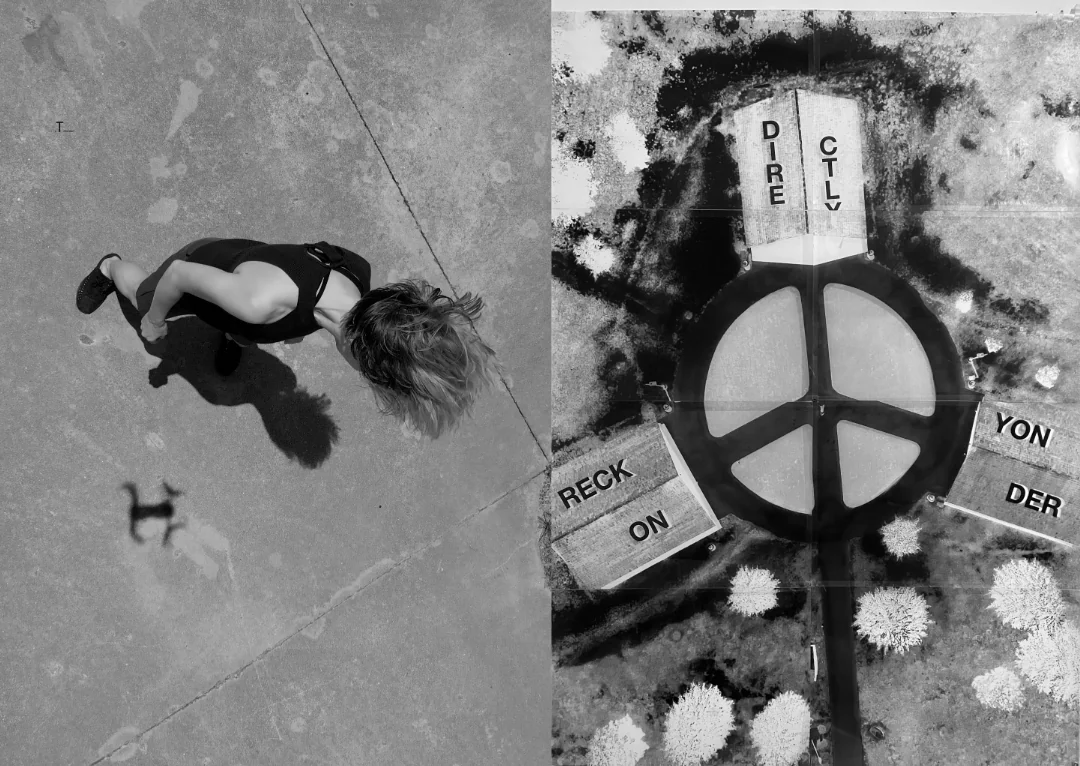
Southern Devices: Ash Eliza Smith dances with a drone. The paired aerial stills show the drone’s shadow entering the choreography and the larger shape of Optimist Park.
Stills: Raber Umphenhour and Ash Eliza Smith.
Images shared by Ash Eliza Smith: the complete image set from Performing the What-If, alongside MuMu, The Middle, workshops, and teaching. Explore the practice that informs this toolkit, with each project’s context and credits.
25 images · Select a gallery image to view the full frame. For dates and development context, visit the workshop history.
04 images / In practice
Movement & attention
Bodies, rhythms, orientations, and scales become ways to explore a world. These examples include Southern Devices and MuMu.
Moving with a drone
Southern Devices: Ash Eliza Smith dances with a drone. The paired aerial stills show the drone’s shadow entering the choreography and the larger shape of Optimist Park.
Stills: Raber Umphenhour and Ash Eliza Smith.
Performing the What-If · Figure 2
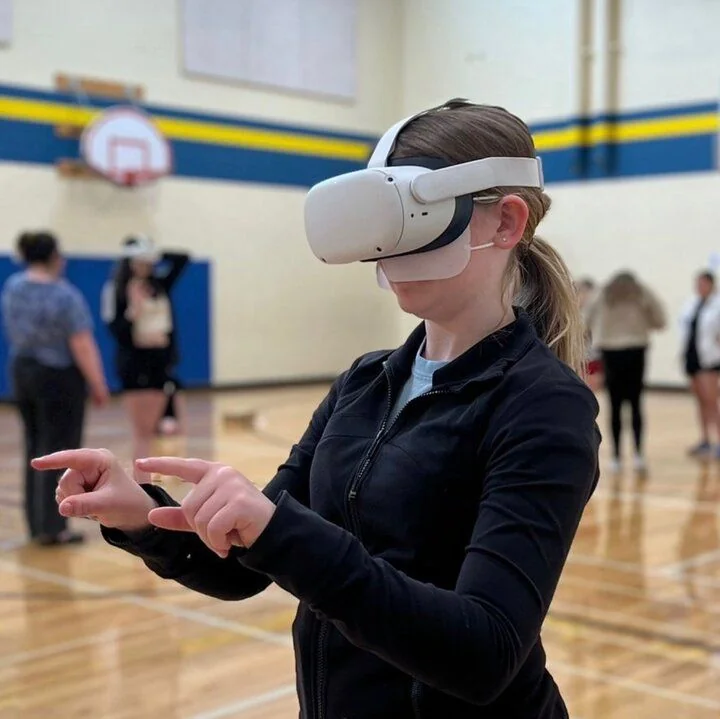
Reaching into MuMu
MuMu playtest documentation: a participant explores an XR world through headset viewing and hand gestures.
Project documentation; photographer not specified in source.
MuMu / Playing for Perspectives · No Coast SciComm presentation
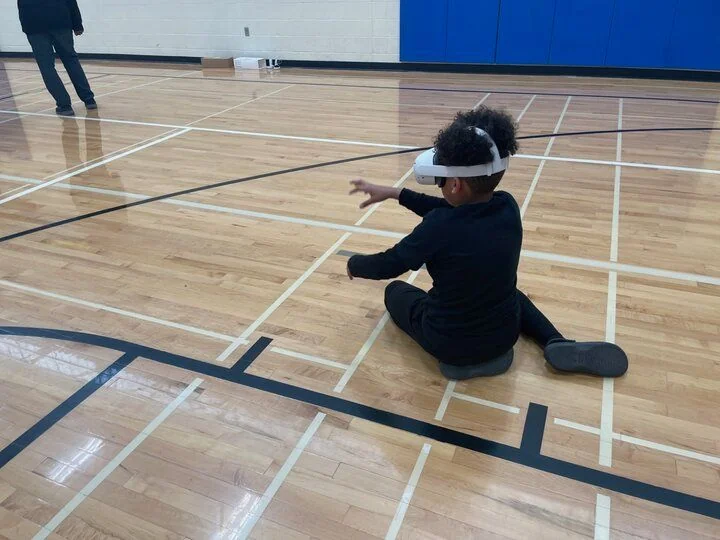
Changing posture in MuMu
MuMu playtest documentation: a participant sits near floor level while interacting through an XR headset.
Project documentation; photographer not specified in source.
MuMu / Playing for Perspectives · No Coast SciComm presentation
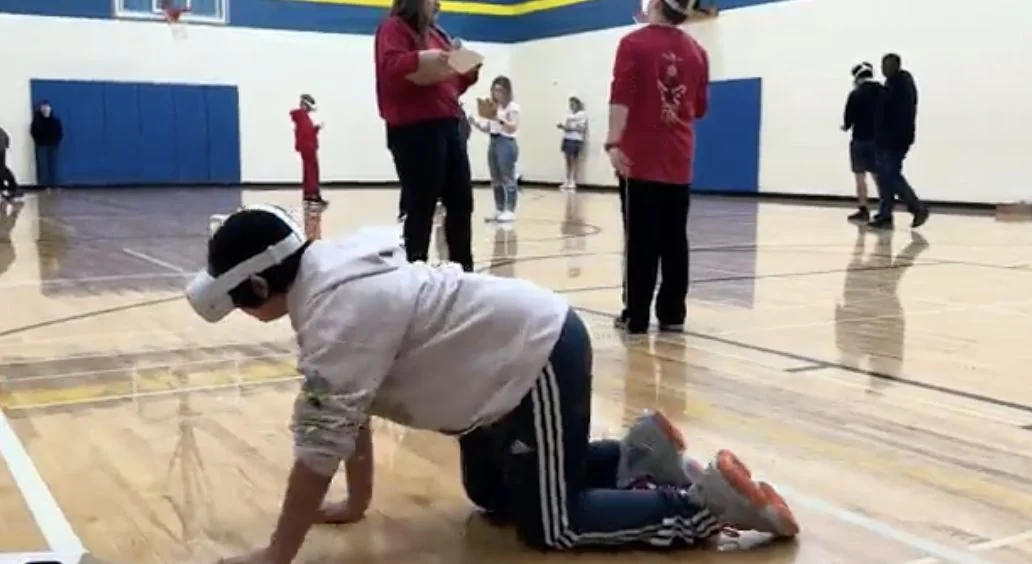
Exploring close to the ground
MuMu playtest documentation: a headset participant explores on hands and knees while others take part across the gym.
Project documentation; photographer not specified in source.
MuMu / Playing for Perspectives · No Coast SciComm presentation
05 images / In practice
Roleplay & encounters
A prototype, a robot, a setting, or a scenario gives participants something to meet and respond to. The encounter can change the world being rehearsed.
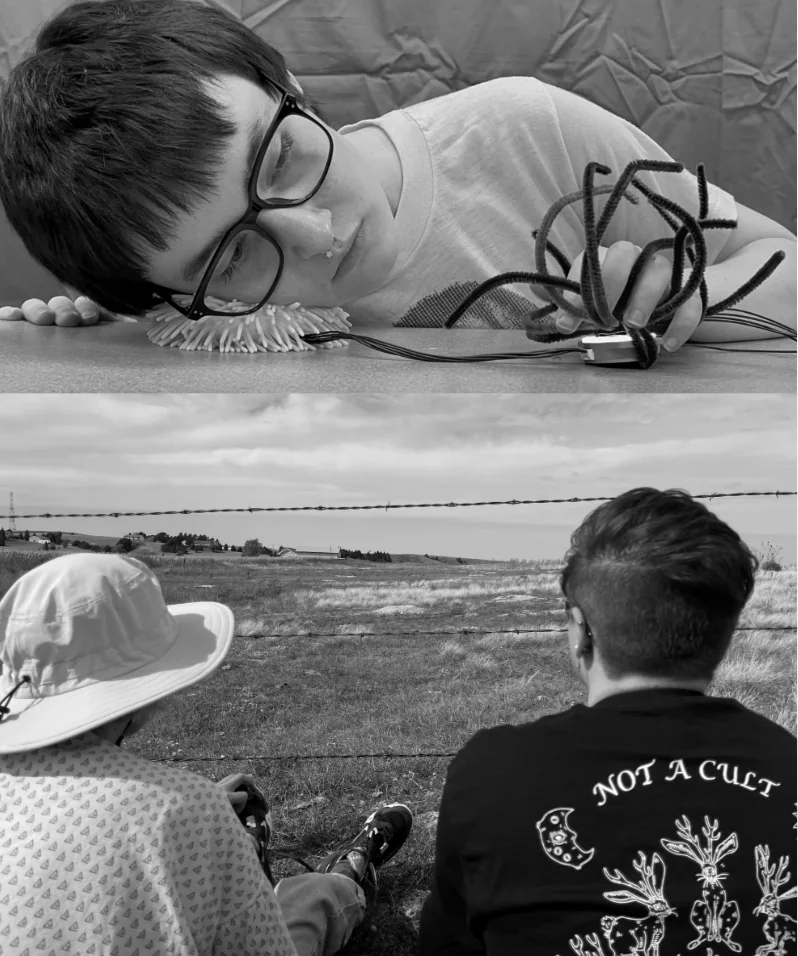
Encountering prototypes and observing other worlds
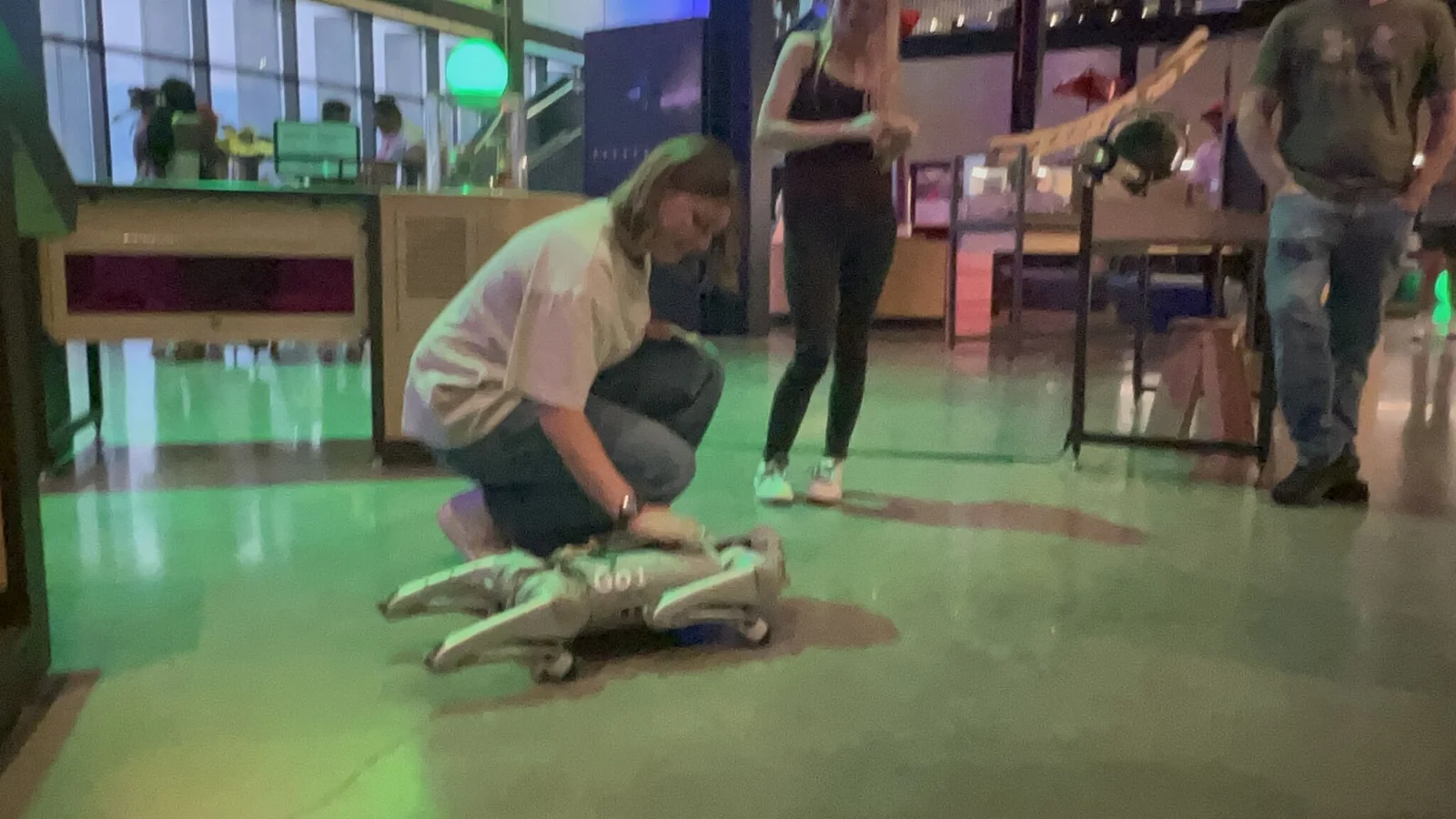
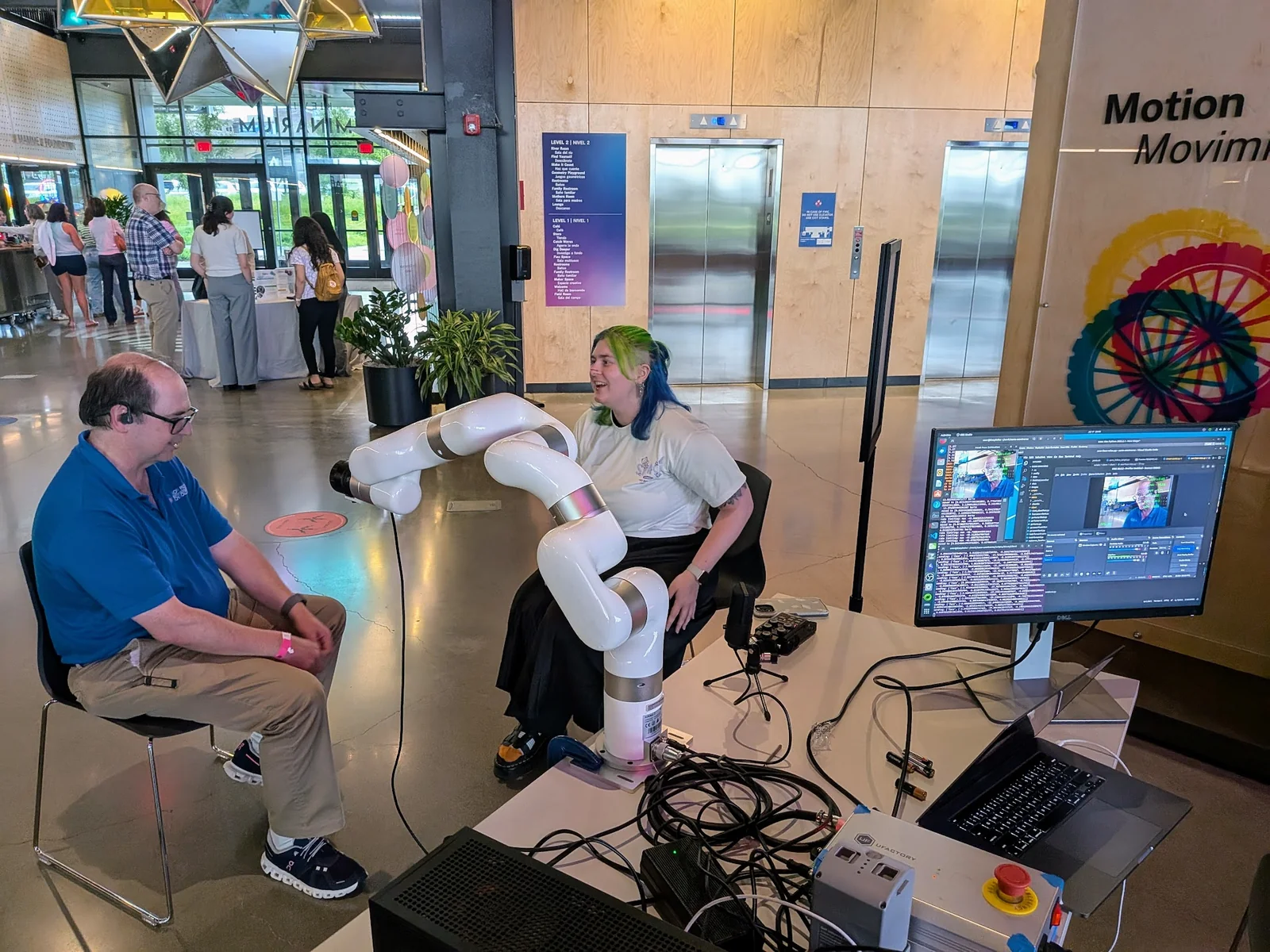
Two forms of encounter: engaging a speculative robotic prototype at the Speculative Robotics Lab Pop-Up, and observing a prairie dog colony at Cedar Point Biological Station during MuMu development.
Photos: Ash Eliza Smith (top); Jason Griffiths and Alex Gee (bottom).
Performing the What-If · Figure 1
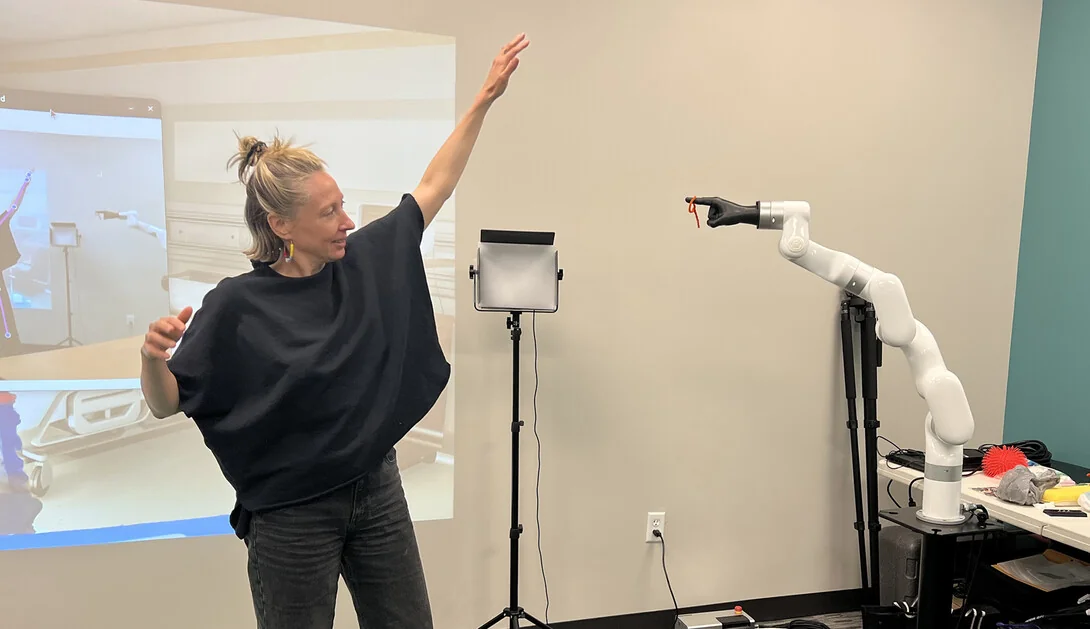
Gestures with a robotic arm
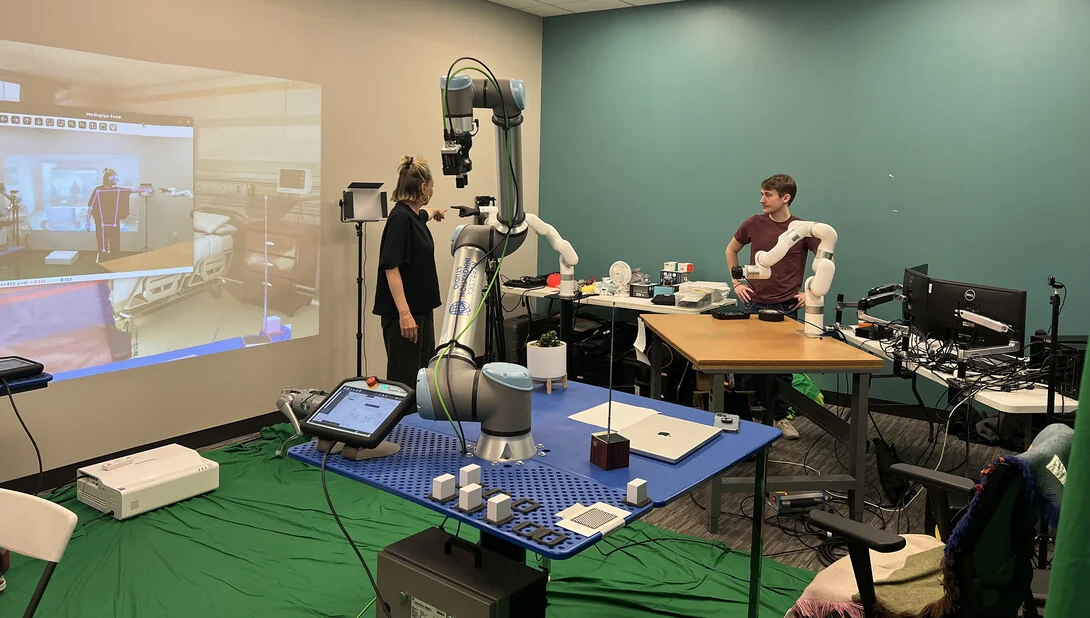
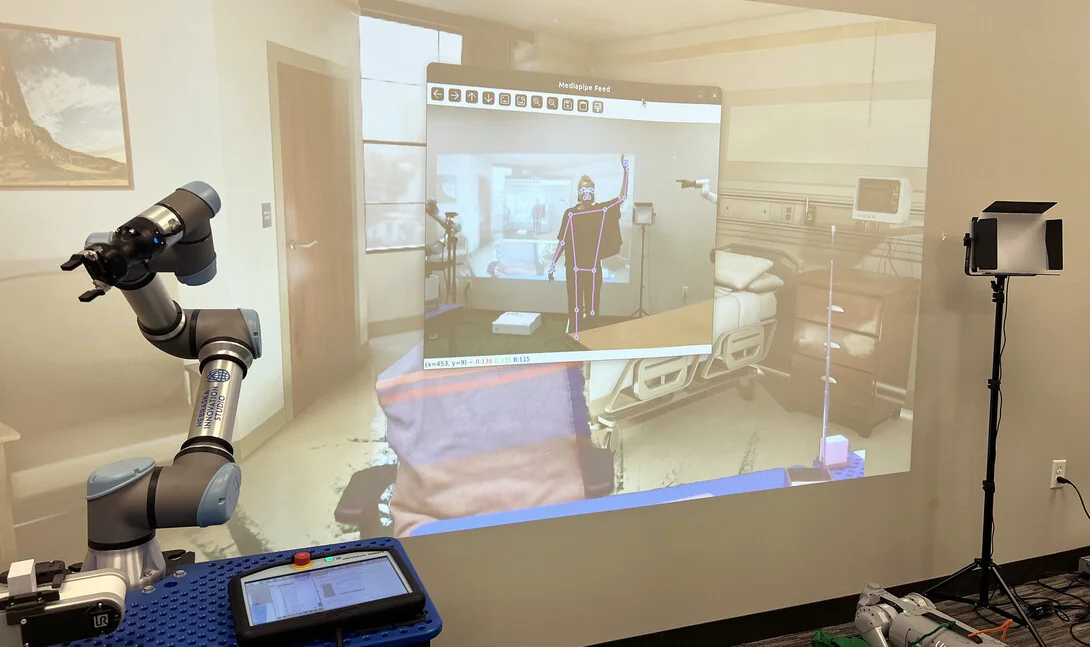
Ash Eliza Smith guides a robotic arm at the Speculative Robotics Lab, where visitors developed speculative care scenarios through interaction and roleplay.
Photo: Deann Gayman / University Communication and Marketing.
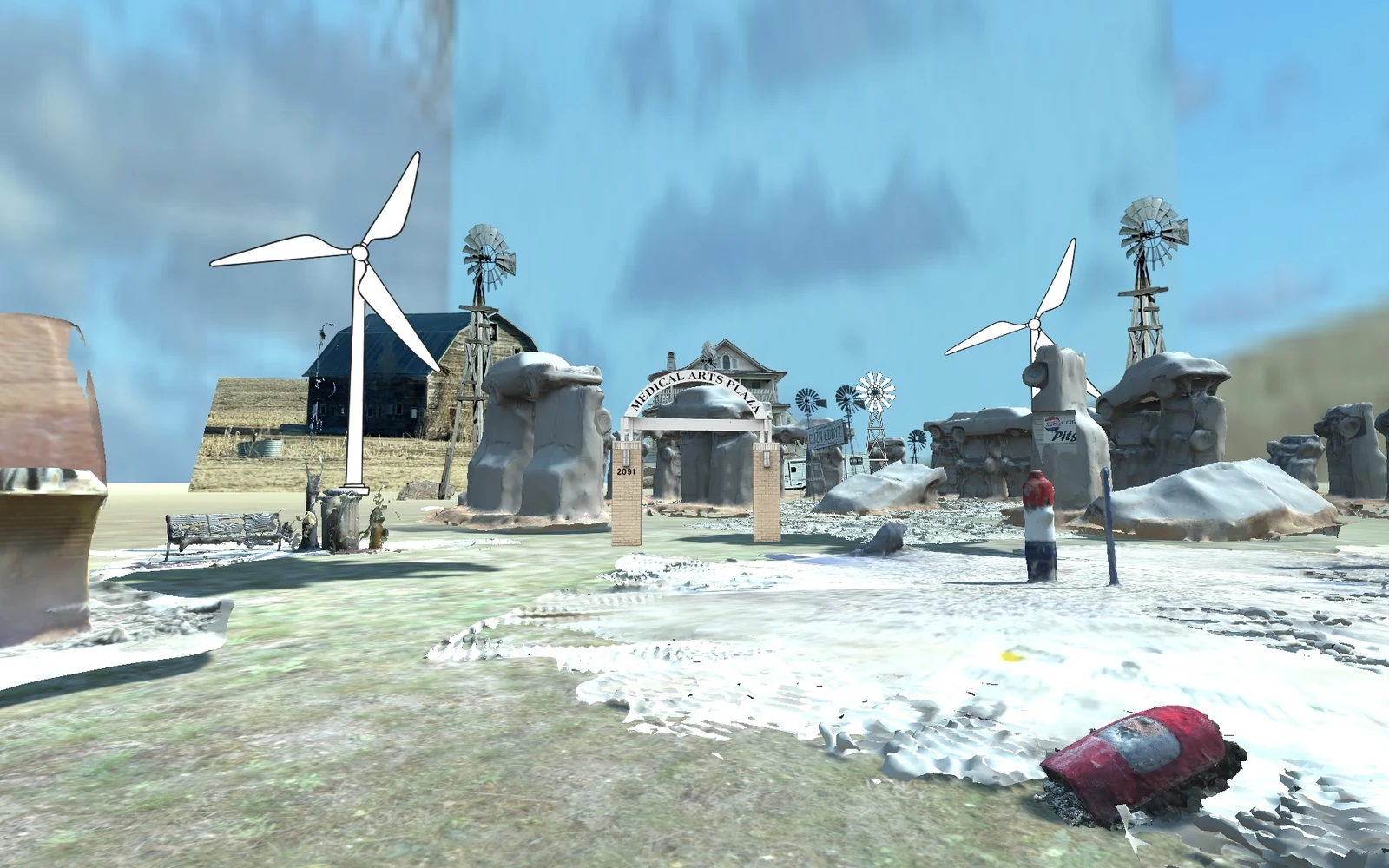
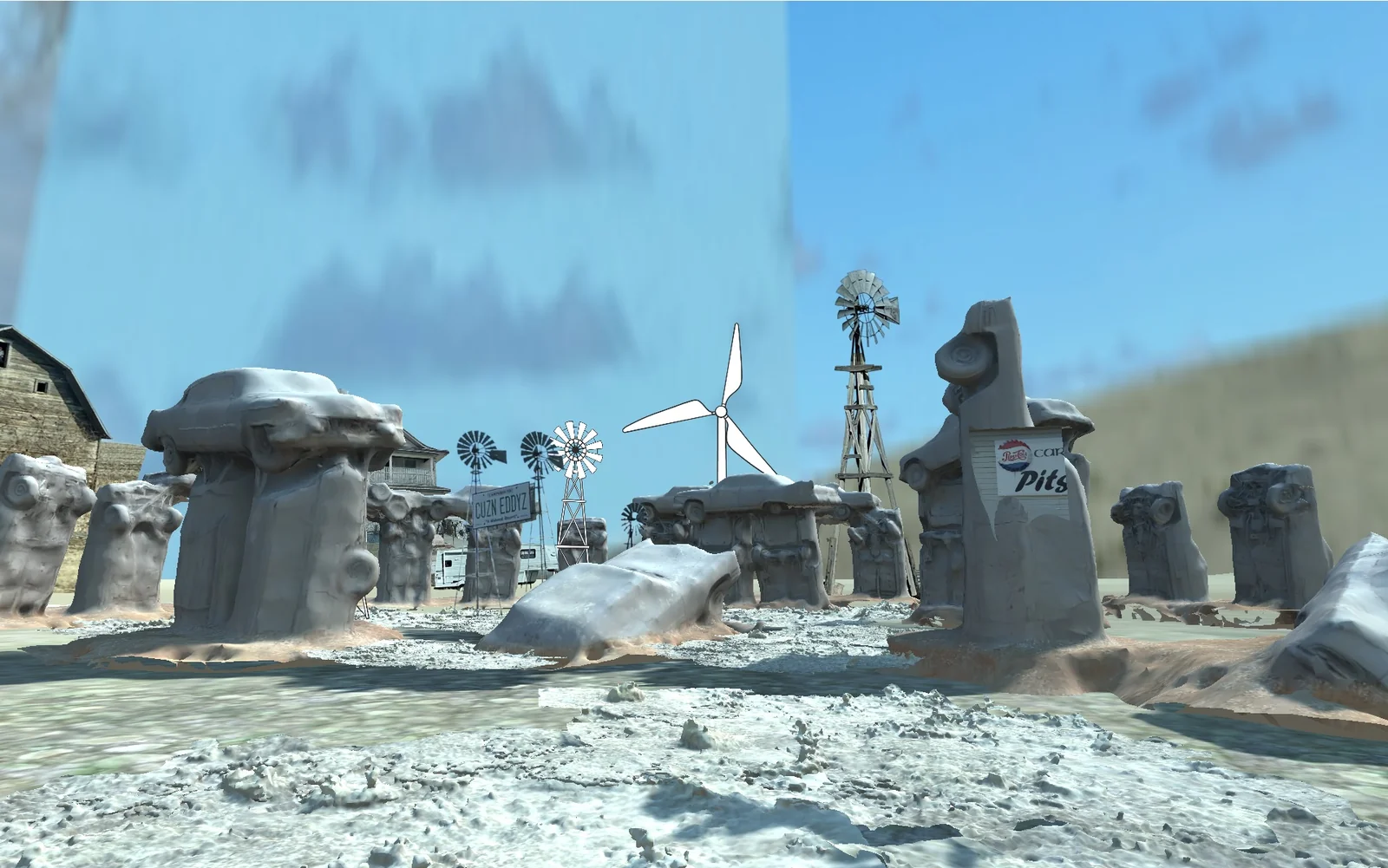
The Middle brings community contributions into a shared digital environment. These views show the resulting world, alongside the workshop practices documented elsewhere in this collection.
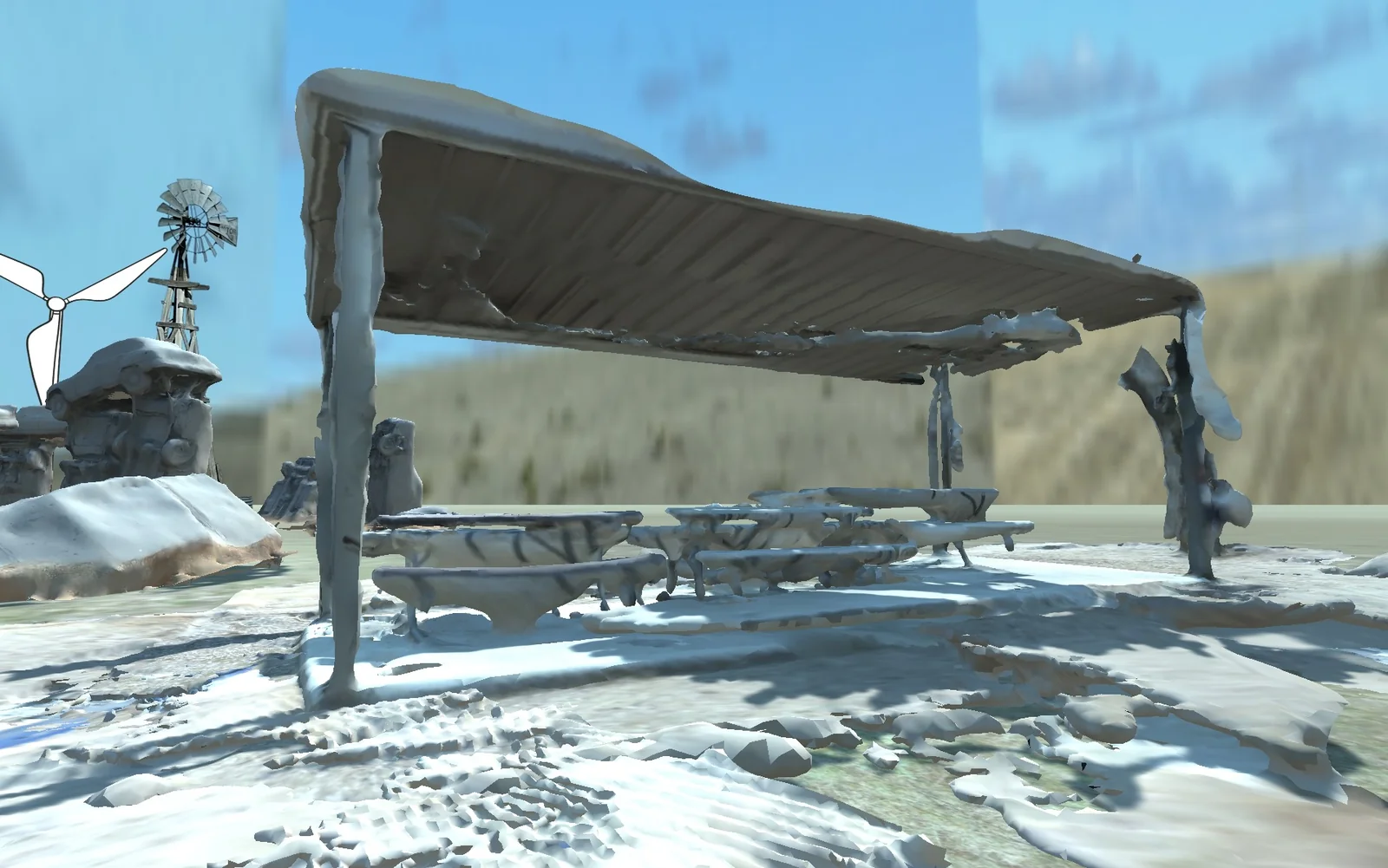
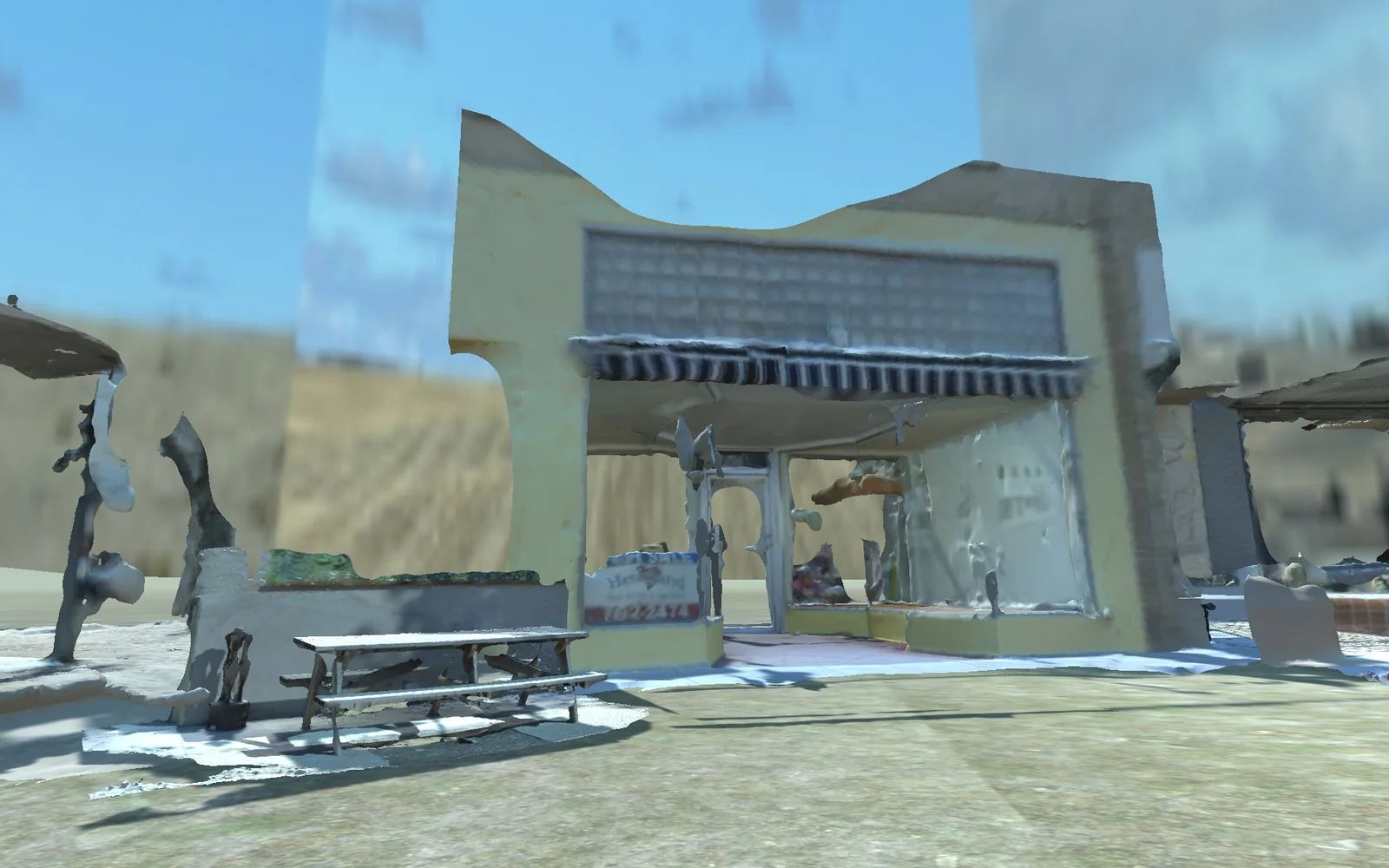
The Middle: a collective world
A view into The Middle’s digital environment, assembling local places and imagined futures from community contributions.
Community contributors; Ash Eliza Smith, Sam Bendix, Daniel Lichtman, Alex Gee, Sam Lawton, Julia McQuillan, and Lisa Pytlik-Zillig.
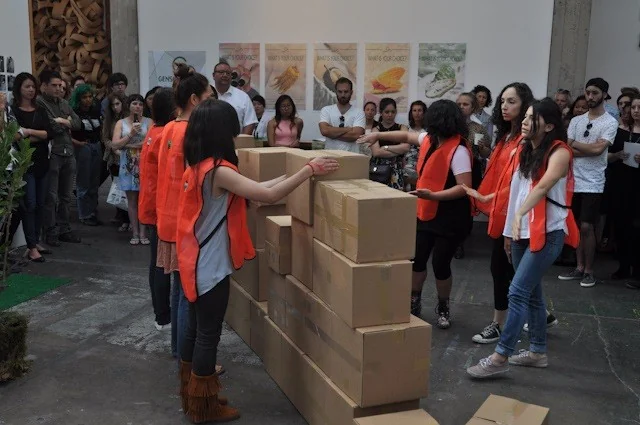
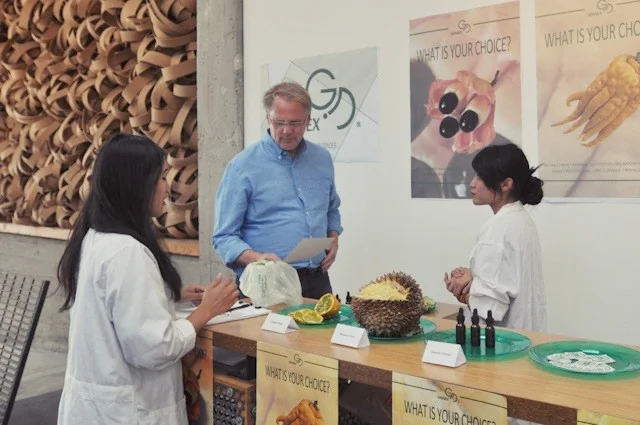
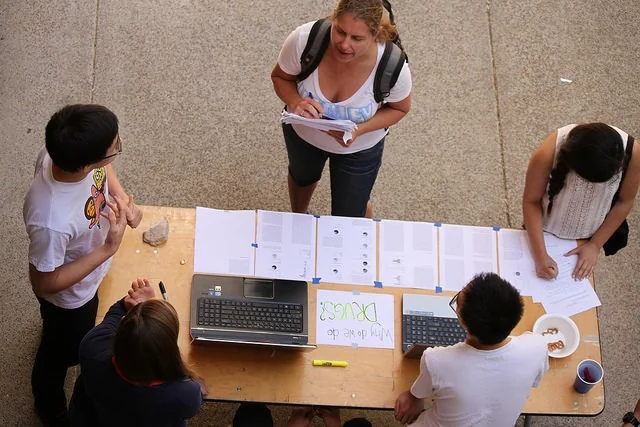
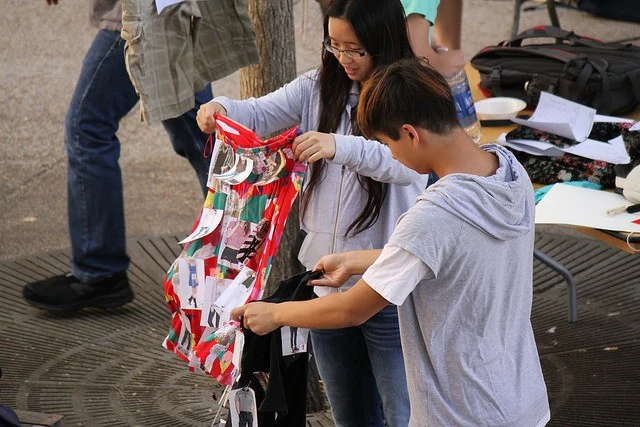
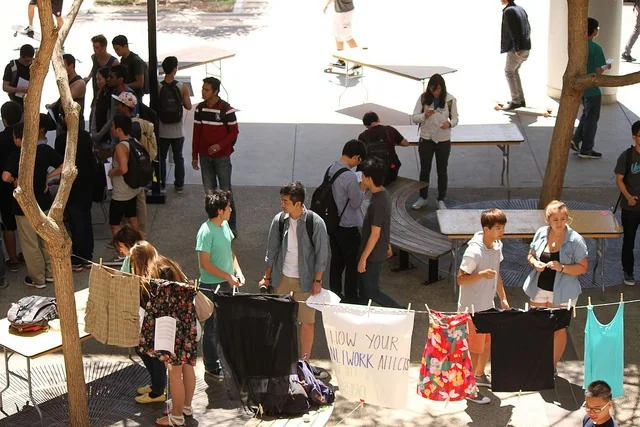
Student work from Edgeland Futurism at UC San Diego shows how props, bodily action, and public encounters can make a speculative world available to others. Instructors: Ash Eliza Smith and Pepe Rojo.
Embodied scene with cardboard structures
Embodied scene with cardboard structures. Edgeland Futurism teaching gallery, UC San Diego. Instructors: Ash Eliza Smith and Pepe Rojo.
Student work from Edgeland Futurism, UC San Diego. Instructors: Ash Eliza Smith and Pepe Rojo. Photographer not specified.
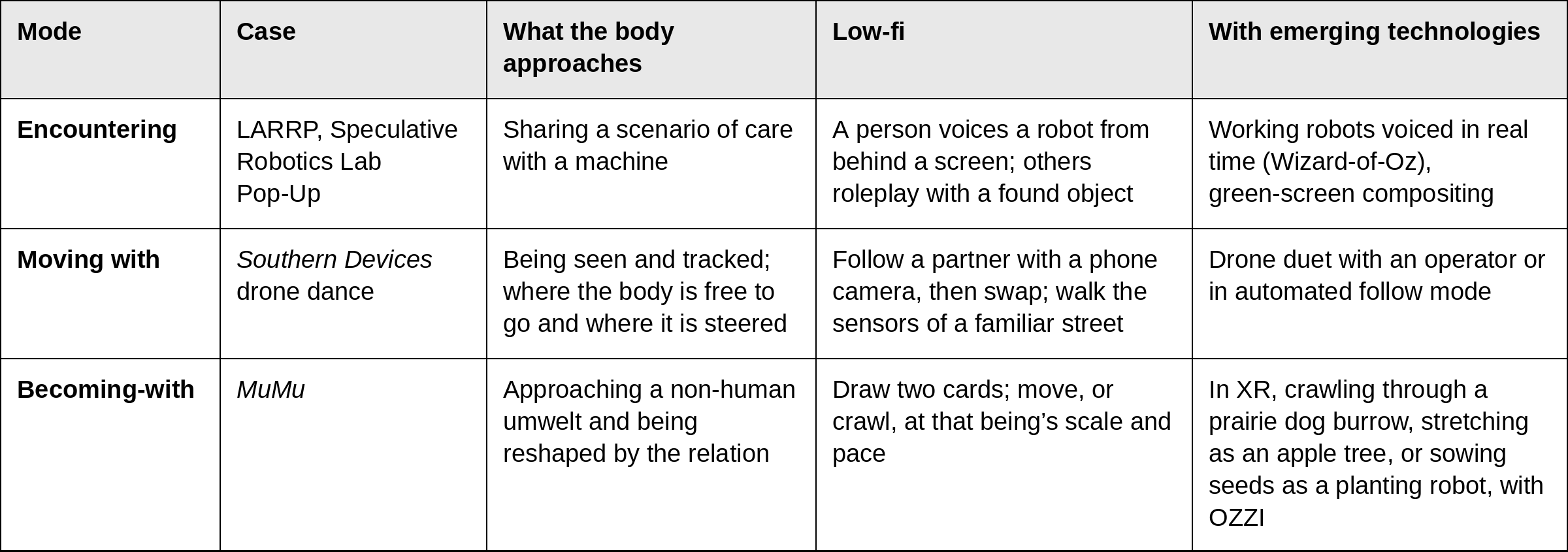
Encountering, moving with, and becoming-with are overlapping modes of embodied practice. They can be explored through everyday materials as well as emerging technologies.
Three modes of embodied encounter
The manuscript’s comparison of encountering, moving with, and becoming-with, with examples that range from roleplay and everyday materials to robotics, drones, and XR.
From Performing the What-If, by Ash Eliza Smith and Julia McQuillan.
Performing the What-If · Table 1
Read the table as text
Three modes of embodied encounter, from low-fi to emerging technologies. Bleed and attunement move across all three.
Mode
Case
What the body approaches
Low-fi
With emerging technologies
Encountering
LARRP, Speculative Robotics Lab Pop-Up
Sharing a scenario of care with a machine
A person voices a robot from behind a screen; others roleplay with a found object
Working robots voiced in real time (Wizard-of-Oz), green-screen compositing
Moving with
Southern Devices drone dance
Being seen and tracked; where the body is free to go and where it is steered
Follow a partner with a phone camera, then swap; walk the sensors of a familiar street
Drone duet with an operator or in automated follow mode
Becoming-with
MuMu
Approaching a non-human umwelt and being reshaped by the relation
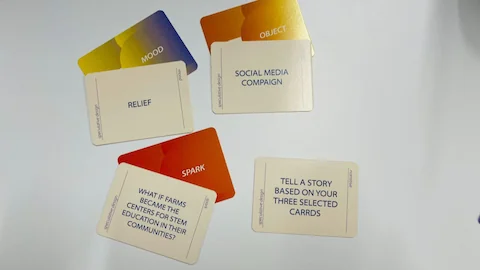
Draw two cards; move, or crawl, at that being’s scale and pace
In XR, crawling through a prairie dog burrow, stretching as an apple tree, or sowing seeds as a planting robot, with OZZI
These modes are distinct from the three interwoven phases of Rehearsing Realities: enter the magic circle; prototype with entangled bodies; rehearse transformation. Read about the framework and its lineages.
Keep the practice growing
Share a gathering. Plan the next one.
A photograph, a sketch, an object, a short performance, or a media link can help another group begin. Keep the prompts, a sentence about what happened, and the credit you want shown with the work.
Thinking about facilitating a workshop? Prepare a note about where, with whom, and what you hope to explore. You can be at the idea stage, ask for help, and decide separately whether a future workshop may appear in the public history.
These preparation previews keep your draft in your browser and send nothing. A submission form is not connected yet. Reply details and requests for help are private fields; public workshop listing requires a separate opt-in.
When sharing elsewhere, you can use #CoConstructingMultispeciesFutures and link to this toolkit. For a session you can run now, open the facilitation guide.
Images keep their source credits. Photo authorship is left unstated when the source does not name a photographer. New contributions will be displayed with the permission and credit agreed by their contributors.